
5 Signs Your Water Heater Is About to Fail (And What to Do Before It Does)
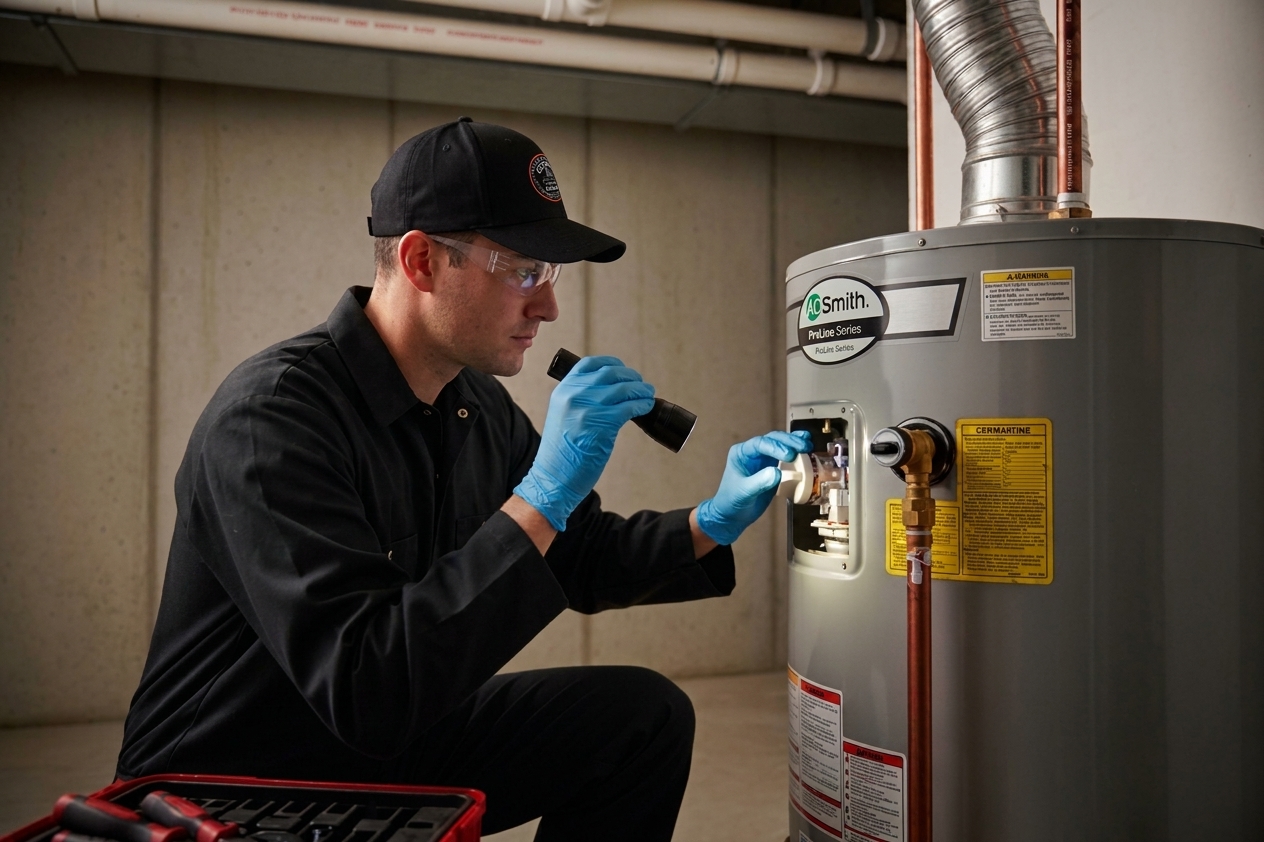
A cold shower on a Tuesday morning is annoying. A water heater that fails completely and floods your basement is a different problem entirely — and it’s almost always avoidable if you catch the warning signs early.
Most water heaters last 8–12 years. If yours is approaching that age, or you’ve noticed any of the issues below, it’s worth having a licensed plumber take a look before it fails on its own schedule instead of yours.
- Your Hot Water Isn’t Actually Hot
If water is lukewarm instead of hot, or runs out faster than it used to, it’s often a failing heating element or a sediment buildup insulating the burner from the water above it. Either way, the unit is working harder to do less — which usually means it’s close to the end.
- Rusty or Discolored Water
Rust-colored water coming from your hot tap (but not your cold) is one of the clearest signs your tank is corroding from the inside. Once a steel tank starts rusting, it’s not a matter of if it leaks — it’s when.
- Popping, Rumbling, or Banging Noises
That rumbling sound during heating cycles is sediment hardening at the bottom of the tank and trapping water underneath it, which boils and pops. Beyond being loud, it makes your unit less efficient and accelerates wear on the tank itself.
- Water Pooling Around the Base
Any moisture around your water heater — even a small amount — deserves an immediate look. It could be a loose fitting (an easy fix) or a cracked tank (not fixable, only replaceable). The difference matters, and it’s not one to guess on.
- It’s Simply Old
If your unit is 10+ years old, age alone is a reason to have it inspected annually, even if nothing seems wrong yet. Tanks fail from the inside out — by the time you see a problem, corrosion has often been building for years.
Tank or Tankless? What to Consider When It’s Time to Replace
If you are due for a replacement, it’s worth deciding between:
- Traditional tank water heaters — lower upfront cost, faster to install, well understood by most technicians
- Tankless water heaters — endless hot water on demand, smaller footprint, lower long-term operating costs, but higher upfront investment and specific venting/gas-line requirements
A licensed plumber can walk through your household’s hot water usage, existing gas/electric setup, and budget to help you land on the right choice — not just the cheaper one.
Simple Maintenance That Extends the Life of Your Water Heater
- Flush the tank annually to clear sediment buildup
- Test the pressure relief valve once a year
- Check the anode rod every 2–3 years (it corrodes on purpose, to protect your tank — but it needs replacing once it’s spent)
- Keep the area around the unit clear for proper airflow and easy inspection
Don’t Wait for a Flood to Find Out
A failing water heater rarely gives you much warning before it fails completely — and when it does, it’s a mess, not just an inconvenience. If you’ve noticed any of the signs above, or it’s simply been years since anyone looked at yours, it’s worth a quick inspection.
Citywide Sewer-Drain Plumbing Service Corp has been serving Long Island, Queens, Brooklyn, and all five NYC boroughs for over 65 years. Our licensed technicians can inspect, repair, or replace your water heater — tank or tankless — often the same day.
📞 Schedule a water heater inspection today 1-800-310-2564