Buying a Home on Long Island? Don't Skip the Sewer Line
You’ve found the house, made an offer and scheduled the home inspection. The inspector checks the roof, the furnace, the electrical panel and the foundation. But there’s one expensive system most home inspections don’t cover: the sewer line.
The pipe that carries waste from the house to the street or cesspool is buried underground, out of sight. If it’s cracked, full of roots or collapsing, you won’t know until after you move in, when sewage backs up into your new basement and the repair bill becomes yours.
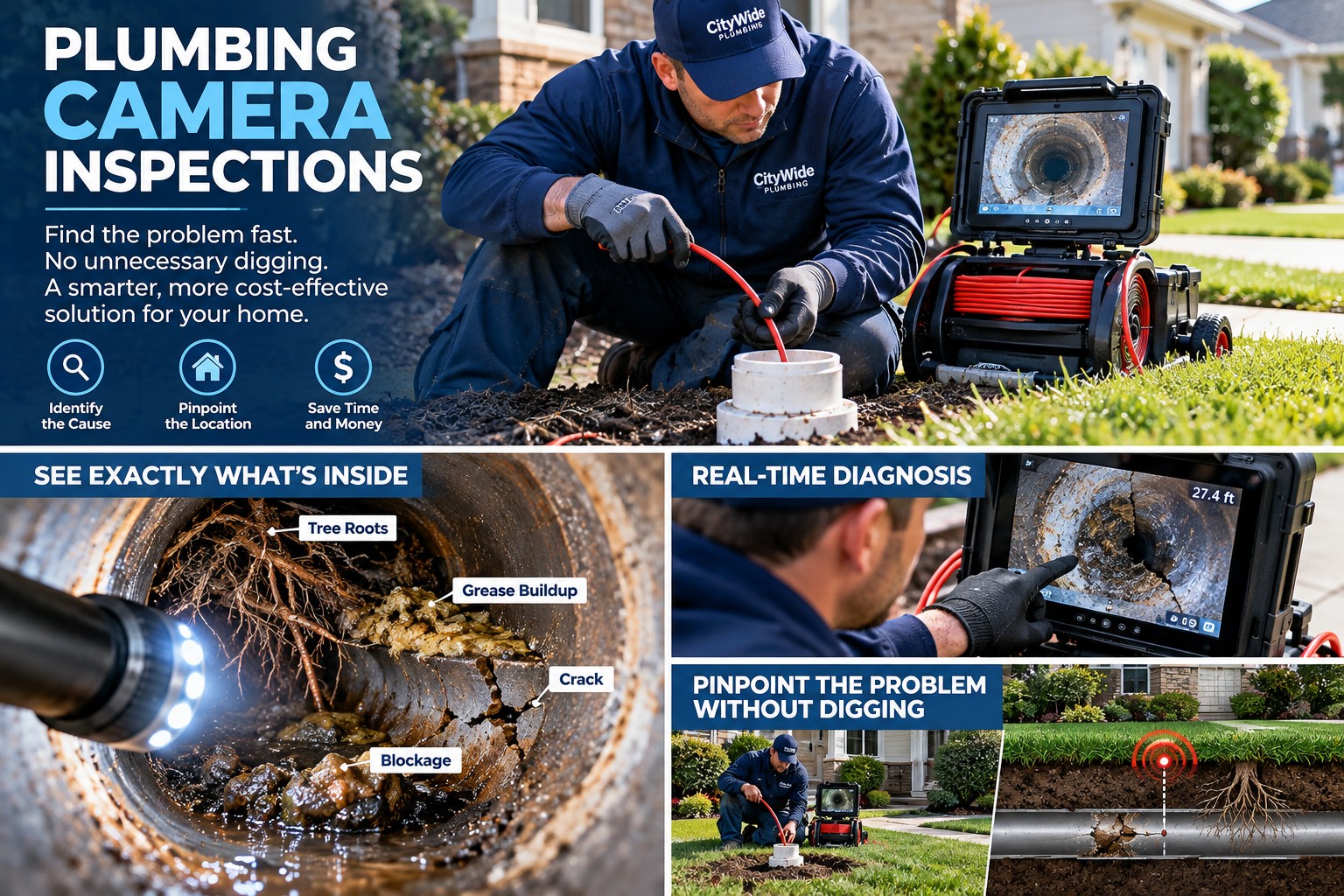
A pre-purchase sewer camera inspection closes that gap. In about an hour, a licensed plumber can show you the inside of the line on video, so you know what you’re buying before you sign.
What a Standard Home Inspection Misses
A typical home inspector runs the faucets, flushes the toilets and checks for visible leaks. If the water drains, the plumbing usually passes. But a sewer line can drain fine during a 20-minute test and still be:
- Cracked or partially collapsed
- Packed with tree roots
- Sagging and holding standing waste
- Corroded from the inside
Many sellers also have drains cleared before listing, which can hide a problem for weeks. Only a camera can show you what’s really inside the pipe.
What a Pre-Purchase Sewer Camera Inspection Finds
- Tree root intrusion, one of the most common sewer problems on mature, tree-lined Long Island streets
- Cracks, breaks and collapsed sections
- Bellies or sags where the pipe has sunk
- Offset or separated joints
- Corrosion in older cast iron pipes and deterioration in clay pipes
- Grease and debris buildup that signals ongoing problems
- Damage to the line running to a cesspool or septic system
You get to watch the footage as it’s recorded, and the plumber explains what each problem means and what it would take to fix.
Homes That Need a Sewer Inspection Most
Every buyer benefits from one, but it’s especially important if the home:
- Was built before the 1980s. Much of Long Island’s housing went up in the 1950s and 1960s, and many of those homes still have original cast iron or clay sewer lines.
- Has large, mature trees in the front yard or near the sewer line.
- Uses a cesspool or septic system, as many homes in Suffolk County and parts of Nassau do.
- Has been vacant or was recently renovated, which can hide or stir up problems.
- Shows warning signs such as slow drains, gurgling, sewage odors or water stains in the basement.
A Small Cost Now vs. a Big Bill Later
A camera inspection is a small line item in the cost of buying a home. Sewer line repair or replacement can run into the thousands, and sometimes much more if the line runs under a driveway, a mature tree or the street.
Finding a problem before closing puts you in control. Depending on what the camera shows, you can:
- Ask the seller to repair the line before closing
- Negotiate a lower price or a closing credit to cover the repair
- Walk away if the problem is too big, as your contract allows
- Buy with confidence if the line is in good shape, knowing one of the most expensive hidden systems checks out
The video footage and the plumber’s findings give you and your agent documented proof to back up your request.
When to Schedule It
Book the sewer camera inspection during your inspection period, right after your offer is accepted and alongside the standard home inspection. That leaves time to review the results with your agent and negotiate before your contingency deadline.
Tip: Ask the seller’s agent to confirm where the sewer cleanout is located so the plumber can get in quickly.
Frequently Asked Questions
Isn’t the sewer line part of a normal home inspection?
Usually not. Most home inspectors only test whether water drains. A camera inspection is a separate service done by a plumber.
How long does it take?
Most residential sewer camera inspections take about an hour.
Do I need to be there?
It helps. You can watch the footage live and ask questions, but your agent can also attend on your behalf.
What if the house is newer?
Newer lines can still have problems from roots, poor installation or ground settling. An inspection is still worth it.
Can you inspect the line to a cesspool?
Yes. The camera can check the line running from the house to the cesspool or septic system.
Know What You’re Buying
A home is likely the biggest purchase you’ll ever make. Don’t let a hidden sewer problem turn your new home into a costly surprise.
Citywide Sewer Drain & Plumbing has served Long Island and New York City since 1952. Our licensed, bonded and insured plumbers provide pre-purchase camera inspections across Nassau County, Suffolk County, Queens, Brooklyn, Manhattan and the Bronx.
Call 1-800-310-2564 for a free quote, or schedule your pre-purchase sewer camera inspection online.